Research Areas
01
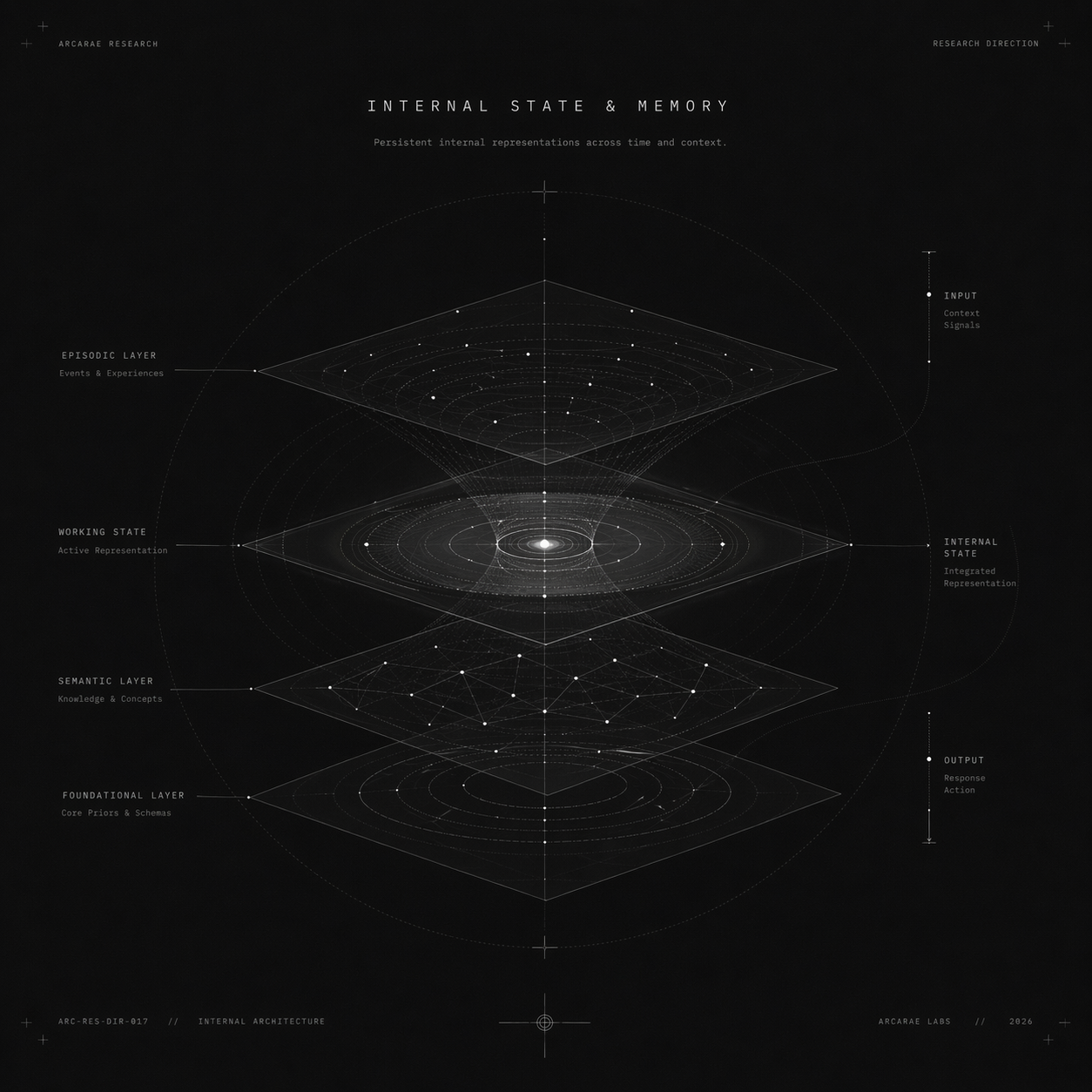
Internal State & Memory
Investigating how language models represent, store, and retrieve information over multiple timescales and contexts.

02
Metacognition & Reflection
Studying self-awareness, confidence estimation, and reflective reasoning to enable models that understand their own thinking.
03
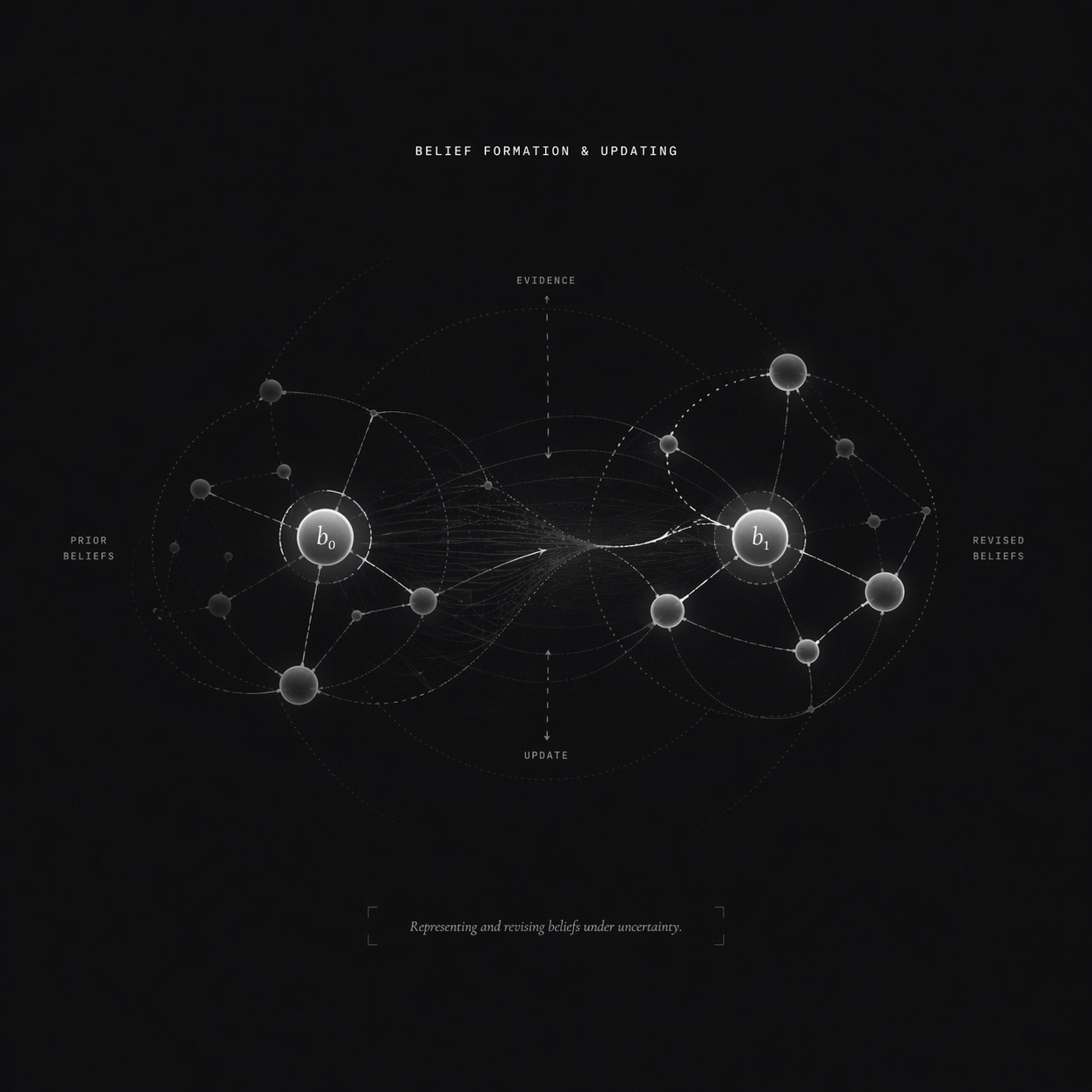
Belief Formation & Updating
Exploring how models form, revise, and maintain beliefs in the face of uncertainty, evidence, and new information.
04
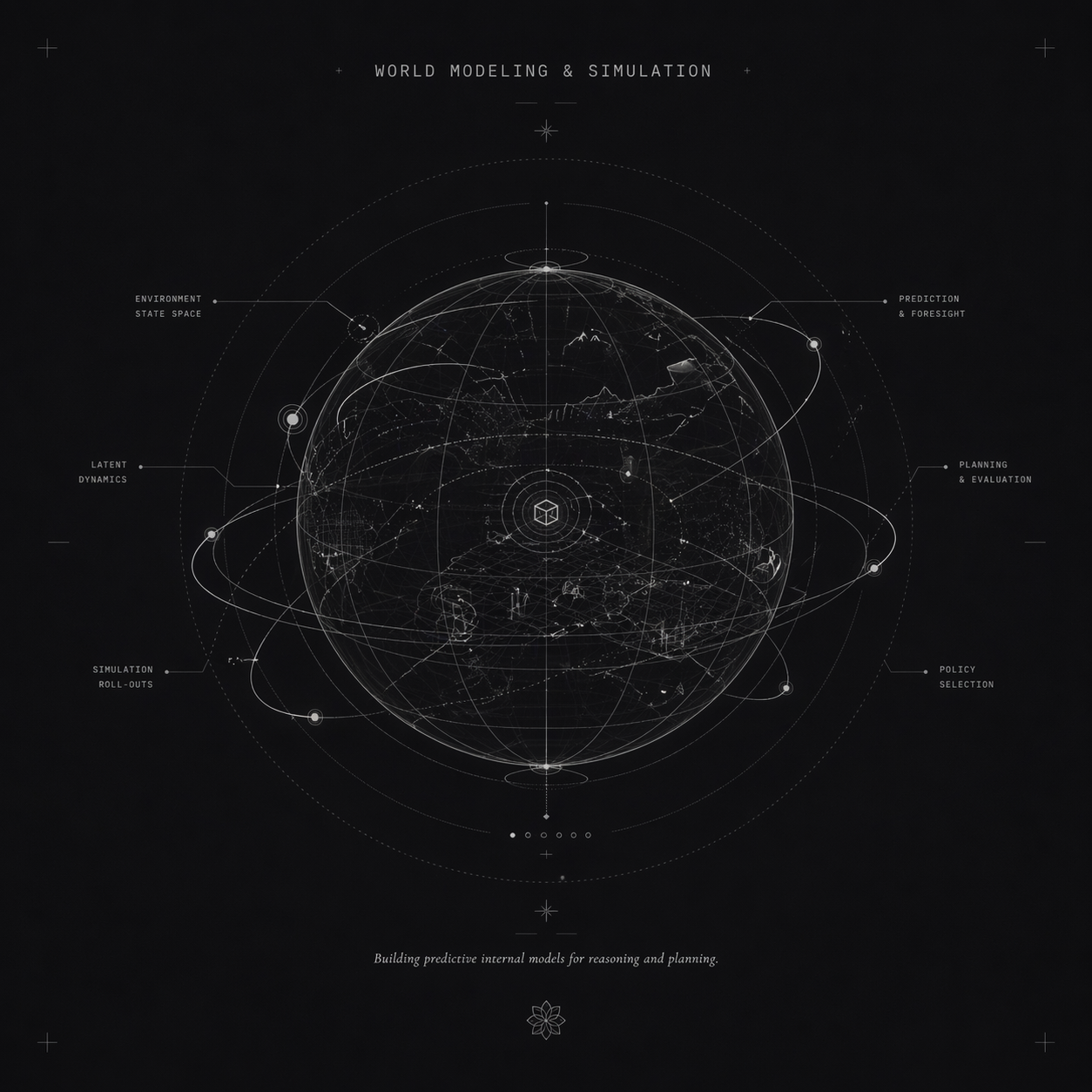
World Modeling & Simulation
Building internal models of the world to support prediction, planning, and counterfactual reasoning.
05
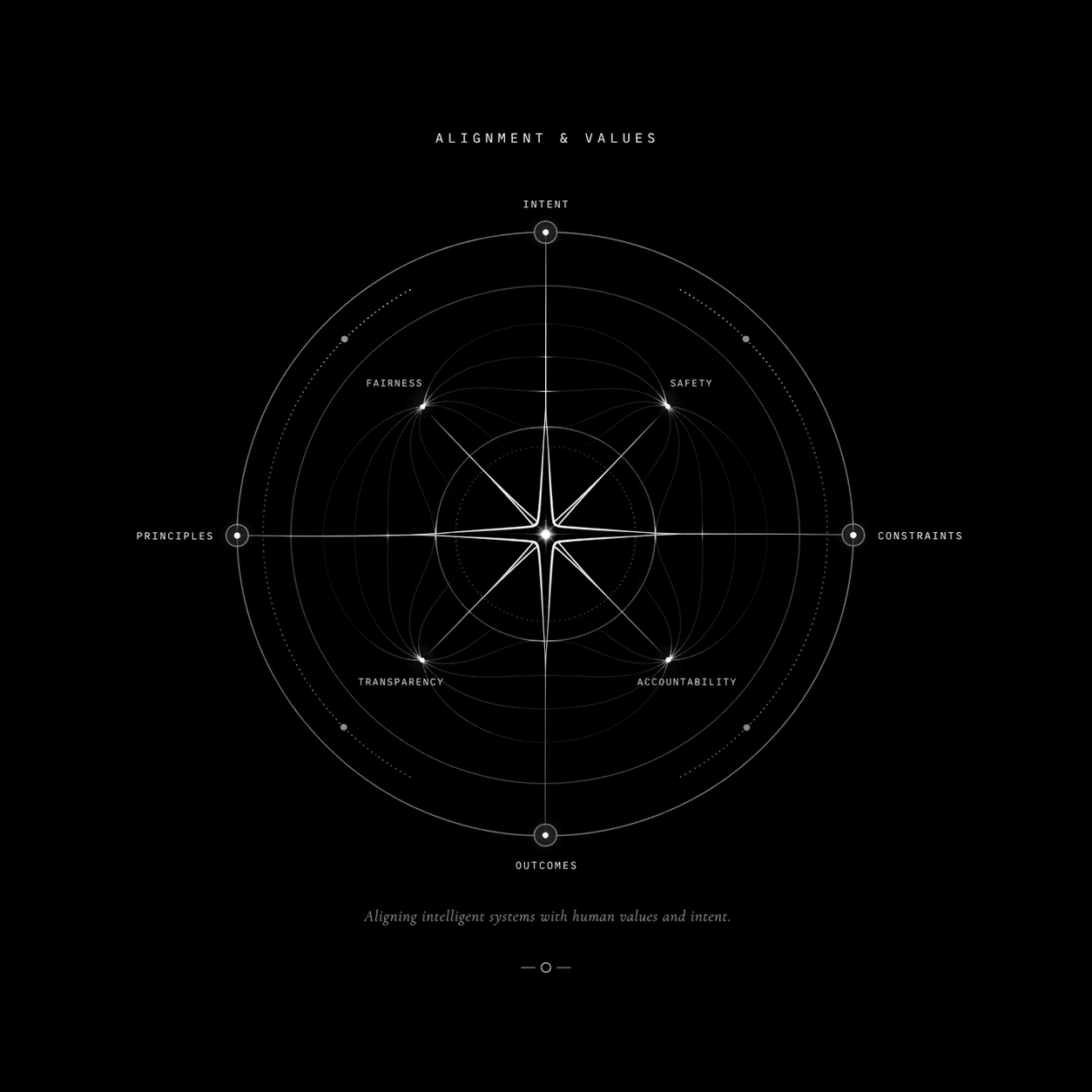
Alignment & Values
Advancing methods for aligning models with human values, intent, and societal well-being.